Today is the Global Information Governance Day!
#GIGD occurs every third Thursday of February in order to raise awareness on the importance of information governance.

#GIGD occurs every third Thursday of February in order to raise awareness on the importance of information governance.
Information governance leads, following a preliminary analysis, to the classification of information according to its nature and value. This classification allows the identification of probative / evidentiary information (e.g. commercial contracts, policies and procedures, etc.).
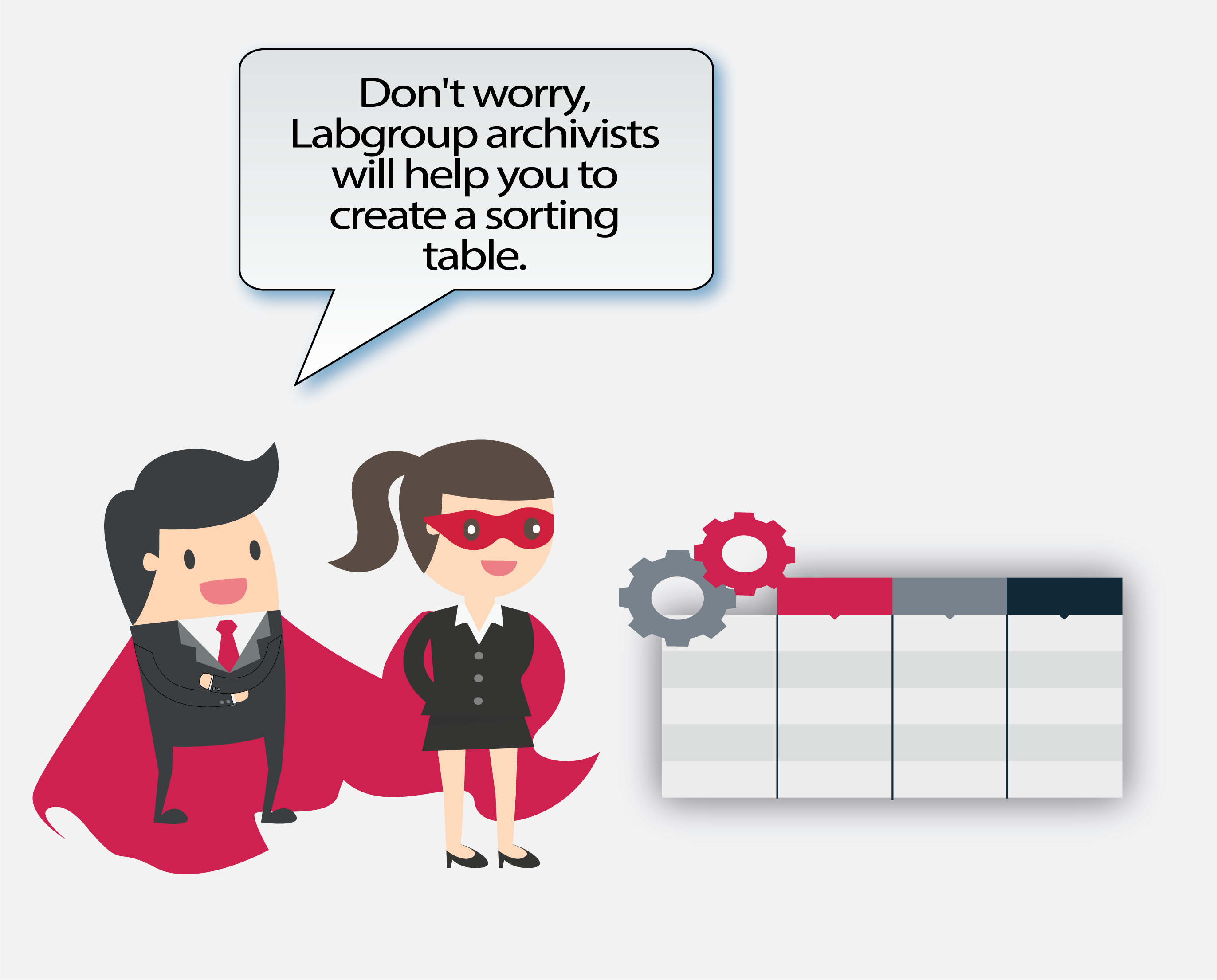
The law of August 17th, 2018, relating to archiving, made it mandatory for all ministries, administrations and state agencies to create a sorting table. The first sorting tables have been signed and implemented for several organisations.
A sorting table is a tool allowing to identify all the documents and/or data produced or received by an organisation within the framework of its activity, and to attribute them a retention period as well as a final treatment (destruction or definitive conservation).
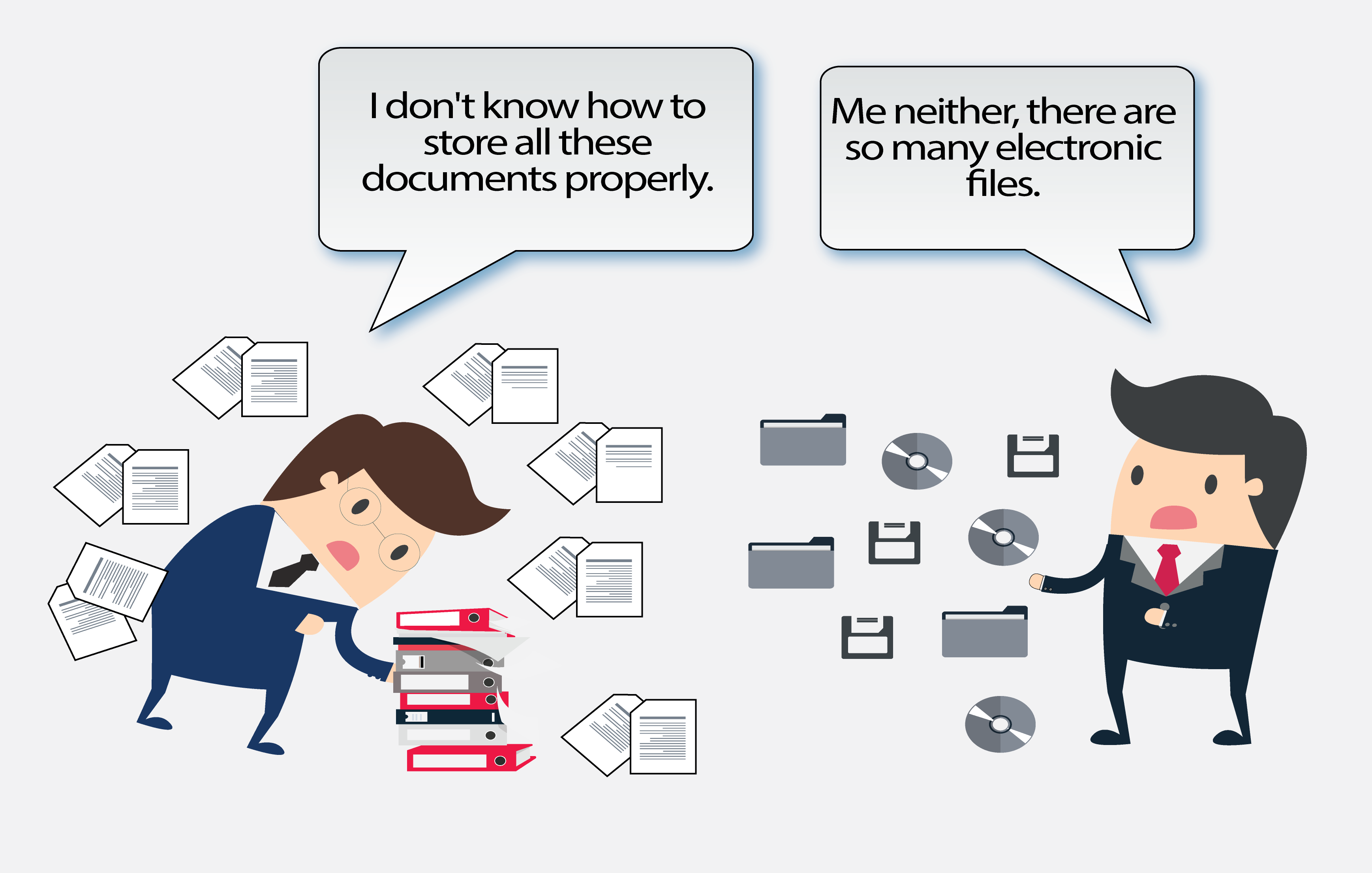
Once the sorting table is set up, it is necessary to implement a new information governance with a filing plan and archiving procedures.
The classification plan
The classification plan allows files to be ordered in a structured manner that reflects the processes of the business or organisation.
Managing your archives requires an elaborate, precise and rigorous methodology that our archival experts can put in place to help you. Indeed, our experts will help you in this process by creating filing plans, based on the functions used to identify position and link your business documents together.
For current and intermediate archives, the classification plans will allow you to organise and classify your documents in the best possible way to find and manage them efficiently.
Concerning the definitive archives, the classification plans will enable you to preserve them in the best possible way and thus avoid any loss or deterioration of them.
Archiving procedures
The implementation of archiving procedures is also necessary and is characterised by the establishment of an archive circuit that will allow the identification and management of the different archive flows.
In other words, our archivists draw up a procedure / practice sheet for you based on a moment or a step of archiving so that you know:
Once the procedure / data sheet has been drawn up, our archivists set up the processing of your archives, that is to say they take care of:
You are a company, an administration, a municipality, which has a large volume of archives and you need to:
We invite you to contact us via our Service Desk which will be able to collect your questions and put you in touch with the right contacts at servicedesk@labgroup.com or by phone +352 350 222 999, from 8 a.m. to 7 p.m. every working day.


 Participation to the digital edition of Relais pour la Vie – 2021